
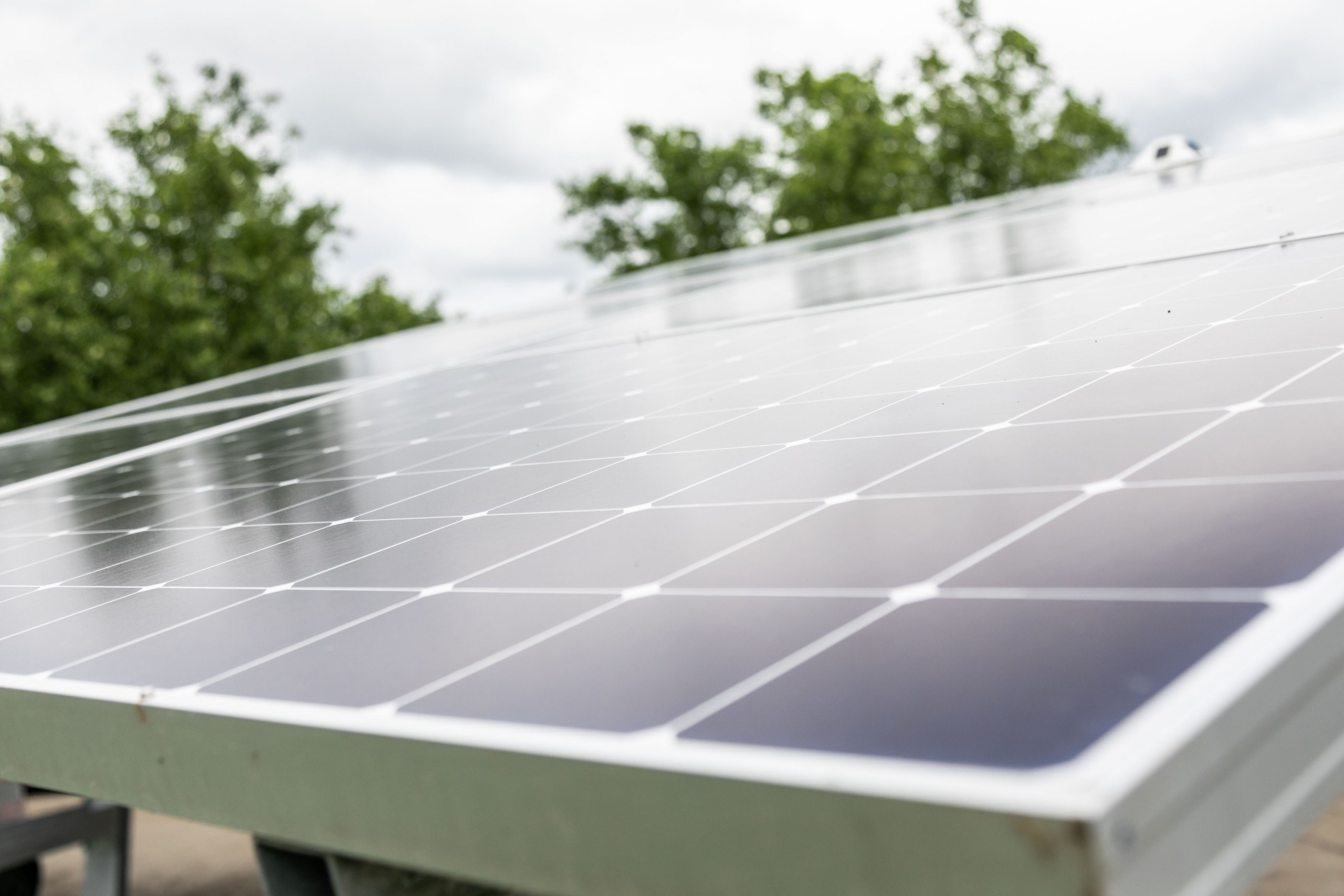
As the demand for renewable energy systems grows, solar photovoltaic (PV) installations have become a critical area of expertise for engineers, contractors, and energy consultants. This guide offers a detailed, step-by-step overview of the technical process of installing solar panels, suitable for residential and small commercial systems.
1. Site Assessment and Feasibility Study
- Solar Resource Analysis: Use solar irradiance data (GHI, DNI) from sources like PVGIS or NREL to assess potential generation.
- Shading Analysis: Utilize tools such as Solmetric SunEye or drone-based photogrammetry to map obstructions and shade paths.
- Load Profiling: Collect historical electricity consumption (hourly/daily) to size the system appropriately.
- Structural Assessment: Verify roof integrity, material, tilt, and orientation. Flat roofs may require ballast-mounted racking.
2. System Design and Component Selection
- PV Module Selection:
- Choose between monocrystalline, polycrystalline, or bifacial panels.
- Evaluate efficiency, temperature coefficient, warranty, and manufacturer bankability.
- Inverter Configuration:
- Central vs. string vs. microinverters.
- Ensure inverter sizing (DC:AC ratio) adheres to local grid codes.
- Mounting System Design:
- Roof-integrated, flush-mount, tilt-adjusted, or ground-mount systems.
- Factor in wind/snow loads using ASCE 7-16 or Eurocode standards.
- Electrical Design:
- Determine string size, voltage window, conductor sizing per NEC 690 or IEC 62548.
- Include protections: fuses, surge protectors, and rapid shutdown mechanisms.
3. Permitting and Grid Interconnection
- Regulatory Approvals:
- Submit system drawings, electrical single-line diagrams, and structural reports to local AHJ (Authority Having Jurisdiction).
- Utility Interconnection:
- Apply for net metering, feed-in tariffs, or self-consumption approvals.
- May require anti-islanding certification (e.g., UL 1741 SA, IEEE 1547).
4. Procurement and Logistics
- Bill of Materials (BOM): Finalize quantities for modules, inverters, racking, wiring, and BOS (balance of system) components.
- Vendor Coordination: Source components from Tier 1 manufacturers with local support.
- Delivery Scheduling: Sequence shipments according to installation timeline to avoid delays and storage issues.
5. Installation Phase
- Mechanical Installation:
- Secure racking system to rafters or mounting anchors with appropriate flashings.
- Ensure module layout follows engineering drawings with precise inter-row spacing.
- Electrical Installation:
- Route DC wiring in EMT/HDPE conduits; terminate using MC4 or equivalent connectors.
- Grounding and bonding per NEC Article 250 or IEC 60364.
- Connect strings to inverter, then run AC output to main service panel or subpanel.
- Commissioning the System:
- Perform insulation resistance (IR) testing.
- Verify open-circuit voltage (Voc) and short-circuit current (Isc) per module datasheets.
- Confirm inverter activation, grid synchronization, and monitoring system functionality.
6. System Testing and Quality Assurance
- Performance Verification:
- Use I-V curve tracers and irradiance meters to validate expected output.
- Confirm compliance with design parameters and local code.
- Inspection:
- Schedule third-party inspection (if required) and address punch-list items.
7. Operation, Monitoring, and Maintenance
- Monitoring:
- Set up web-based or SCADA monitoring (e.g., SolarEdge, Enphase, Fronius).
- Track key metrics: daily kWh, performance ratio (PR), inverter efficiency.
- Scheduled Maintenance:
- Visual inspections, cleaning, and thermal imaging every 6–12 months.
- Troubleshooting:
- Identify string faults, inverter errors, or rapid voltage drops through monitoring analytics.
Conclusion
Installing a solar PV system is a multi-disciplinary task involving electrical engineering, structural design, regulatory compliance, and energy modeling. For professionals, mastery of each stage ensures system safety, performance, and client satisfaction. Staying updated with evolving standards (e.g., NEC, IEC, UL) and using advanced digital tools can significantly streamline the process.



No comment