
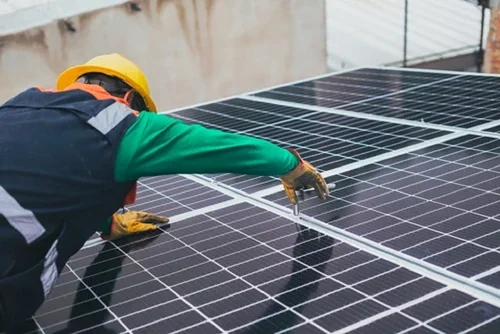
As the world shifts toward more sustainable and eco-friendly solutions, solar energy has emerged as one of the most accessible and impactful options. Solar panels, also known as photovoltaic (PV) modules, convert sunlight into electricity and offer a wide range of advantages for homeowners, businesses, and the planet.
1. Clean and Renewable Energy Source
Solar power is a truly renewable energy source. Unlike fossil fuels, which are finite and polluting, solar energy is abundant and clean. By installing solar panels, you reduce your carbon footprint and contribute to a greener, more sustainable future.
2. Lower Electricity Bills
One of the most immediate benefits of solar panels is the reduction in electricity costs. Solar panels generate free power from the sun, which can significantly decrease your monthly utility bills. In many cases, homeowners can even eliminate their electricity costs altogether.
3. Energy Independence
Generating your own power gives you more control over your energy usage. You become less reliant on the grid, which can be especially beneficial during power outages or in areas with unstable electricity supply. Solar systems with battery storage enhance this independence even further.
4. Increased Property Value
Properties equipped with solar panels often have higher market value and sell faster. Potential buyers see solar as a long-term investment that offers energy savings and environmental benefits, making solar homes more attractive.
5. Low Maintenance Costs
Solar power systems are durable and require very little maintenance. Most manufacturers offer warranties ranging from 20 to 25 years. Regular cleaning and occasional inspections are typically enough to keep the system operating efficiently.
6. Government Incentives and Tax Benefits
Many governments offer incentives to encourage solar adoption, including tax credits, rebates, and net metering programs. These financial benefits can significantly reduce the upfront cost of installation and improve the return on investment.
7. Technological Advancements
The solar industry continues to evolve, with improvements in panel efficiency, durability, and design. Today’s solar systems are more affordable and efficient than ever, making them accessible to more people around the world.
8. Environmental Impact
Switching to solar reduces greenhouse gas emissions, air pollution, and dependence on non-renewable resources. It is a critical step toward combating climate change and promoting environmental responsibility.
Conclusion
Investing in solar panels is more than just a smart financial decision—it’s a commitment to a cleaner, more sustainable world. With benefits that span cost savings, environmental impact, and energy independence, solar energy is paving the way for a brighter future.




No comment